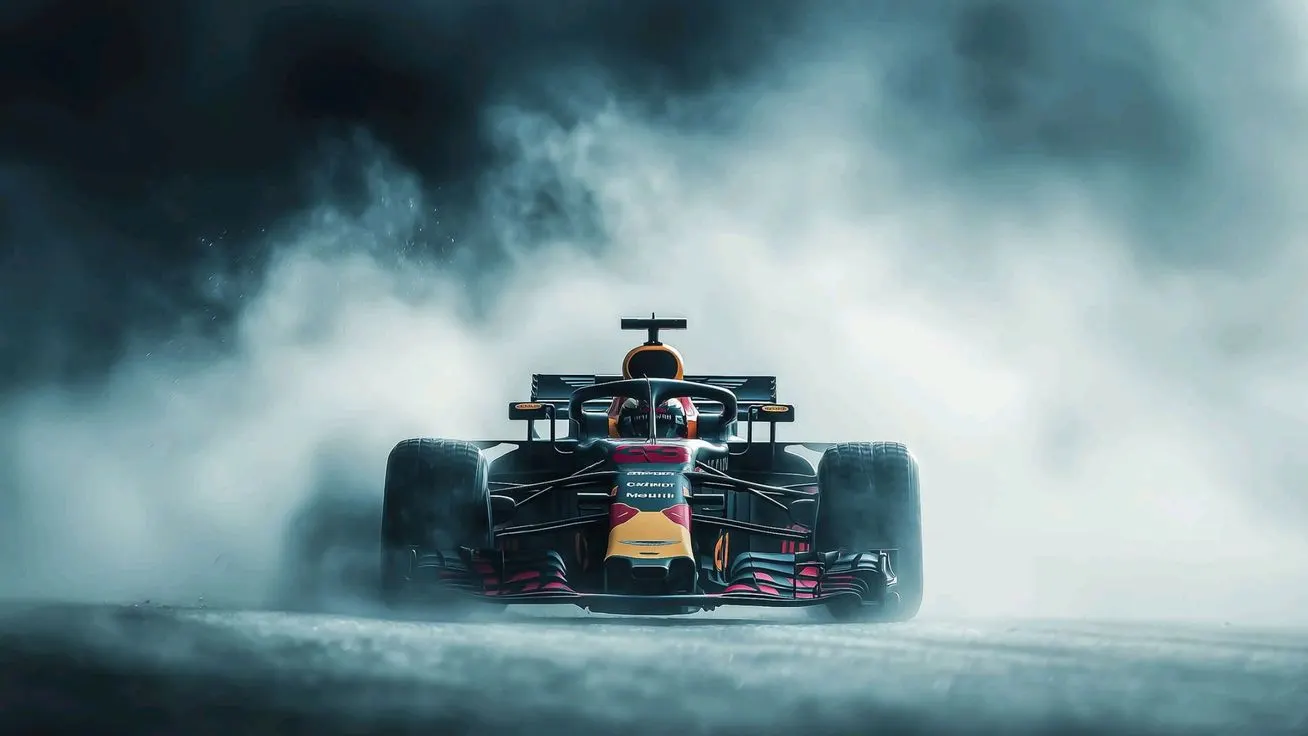
The cars at this year’s Singapore GP are not the cars you remember
2026 is the biggest rule change in a decade: half-electric power, wings that move on their own, and no DRS. Here is what to actually look for at Marina Bay.
By Onz Editorial · 23 September 2026
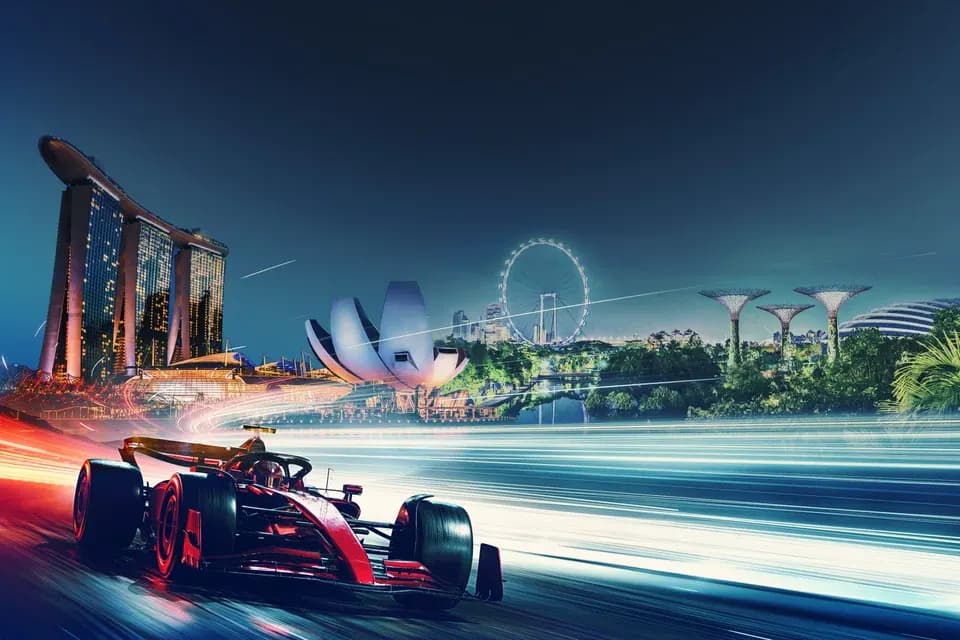
If you went to the Singapore Grand Prix before and are going again, you are about to watch a different sport wearing the same clothes. 2026 is the year Formula 1 threw out both the engine rules and the aerodynamic rules at once, and Marina Bay is one of the first places anyone will see what that does on a street circuit.
Roughly half the power is now electric
The new power units split output close to 50/50 between the internal combustion engine and the electrical side. The part that harvests energy under braking, the MGU-K, jumps from 120kW to 350kW — almost three times the recovery. The MGU-H, the complicated bit that scavenged energy from exhaust heat, is gone entirely, and the fuel is a fully sustainable blend.
Singapore is an unusually interesting place to watch this. Nineteen corners and very little full throttle means a lot of braking events per lap, which means a lot of harvesting — and a lot of chances to run out of deployment before the next straight. Energy management stops being a footnote and becomes something you can see.
The wings move now
For the first time F1 has proper active aerodynamics. Both the front and rear wings change angle depending on where the car is: flattened into a low-drag mode down the straights, back to full downforce for the corners. It is not a driver toy so much as a permanent part of how the car works.
DRS is gone with it. Overtaking help now comes from an electrical boost — an override that gives the chasing car extra deployment rather than opening a flap. Whether that makes passing easier around a circuit famous for making it impossible is one of the genuine unknowns of the weekend.
Smaller, lighter, more nimble
- Cars are about 30kg lighter
- Wheelbase cut by 200mm, down to 3.4m
- Floor narrowed by 100mm to 1.9m
- Front tyres 25mm narrower, rears 30mm narrower
Those numbers matter more here than almost anywhere. Marina Bay is tight, bumpy and walled, and the cars of the last few years had grown so long and wide that drivers openly complained about threading them through the slow corners. A shorter, lighter car on a street circuit should look noticeably more alive.
What to actually watch for
Three things. Whether the energy runs out before the end of the straights, and cars visibly slow as another closes. Whether the new overtake boost produces passes on a track that has never really allowed them. And whether the smaller cars change the racing line through the tight middle sector, where the walls have been eating front wings since 2008.
Singapore has also picked a good year to add a Sprint. Three competitive sessions instead of one, with every team still learning a brand new rulebook, is the most unpredictable version of this weekend anyone has been offered.
Don’t say we bojio 📬
Reads like this + the week’s best events, every Thursday.