Kayaking and SUP in Singapore for Beginners: Where to Start
You don't need a certificate to rent a sit-on-top kayak on a Singapore reservoir, so start on fresh water and save the sea and the mangroves for round two.
By Onz Editorial · edited by Shawn Liu · 22 October 2026
The one thing to know first: start on fresh water
Here's the bit most first-timers get wrong. You don't need any certificate to rent a sit-on-top kayak on a reservoir. PUB sets the 1-Star Kayaking Award as the minimum for paddling, unless you're using a rental sit-on-top from one of its approved water activity operators. So for a first go, Kallang Basin, MacRitchie, Bedok Reservoir or Jurong Lake is the easy way in.
The sea is different. People's Association says its sea outlets, Pasir Ris and Sembawang, need a minimum 1-Star kayak certificate for all kayak rentals. Its SUP rentals at Pasir Ris list a certification requirement too. So don't head all the way to Pasir Ris expecting to grab a board and go. Start on a reservoir, and get certified later if you get hooked.
One more surprise: you can't bring your own kayak or paddleboard to a reservoir. PUB says personal vessels, including canoes, kayaks and SUP boards, are currently not allowed.
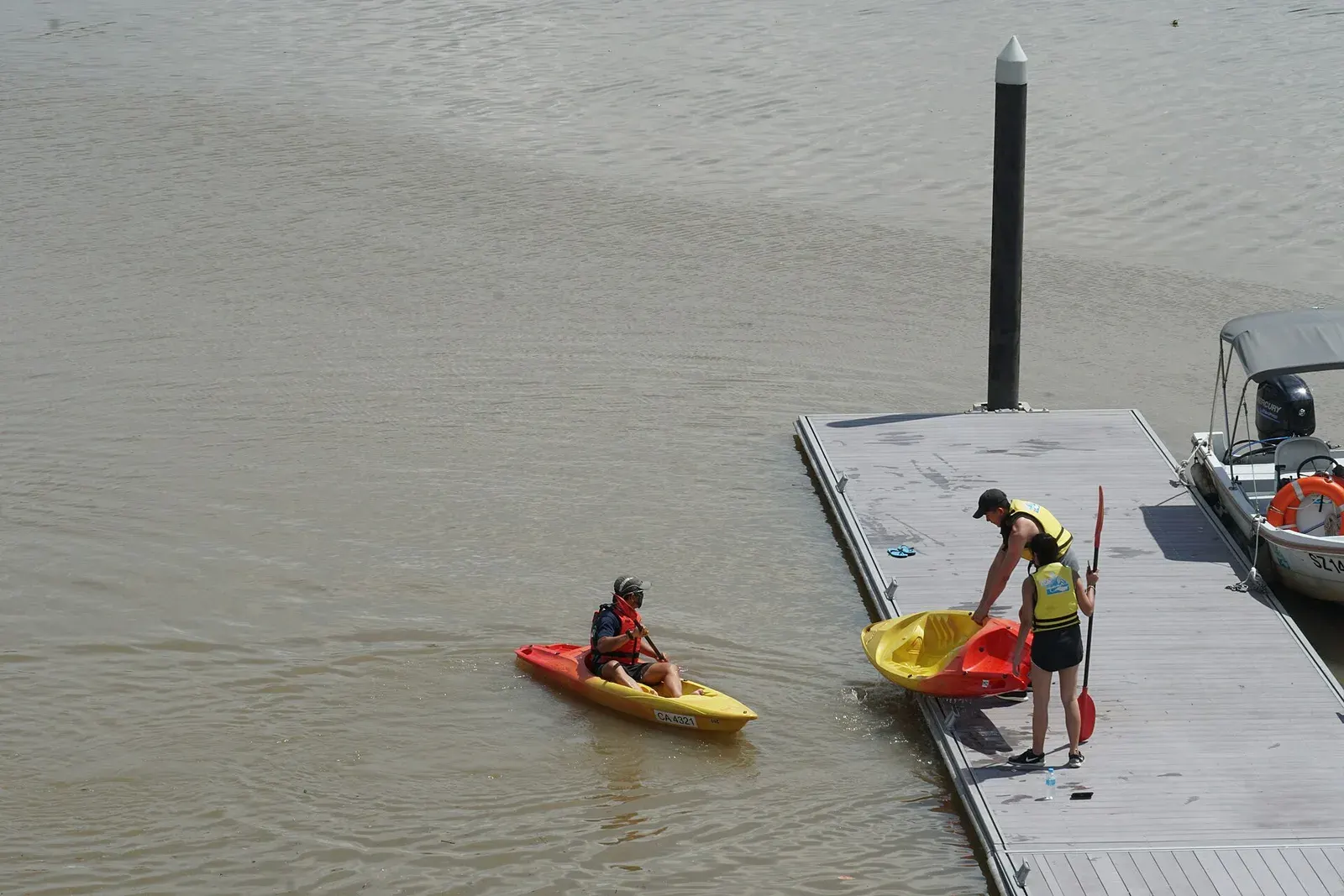
Photo: Brandon, CC BY-SA 4.0, via Wikimedia Commons
What your first paddle actually feels like
A sit-on-top kayak is basically a wide plastic tray. You sit on it, not in it, so if you tip over you just slide off and climb back on. Nothing traps your legs. That's why it's the beginner boat.
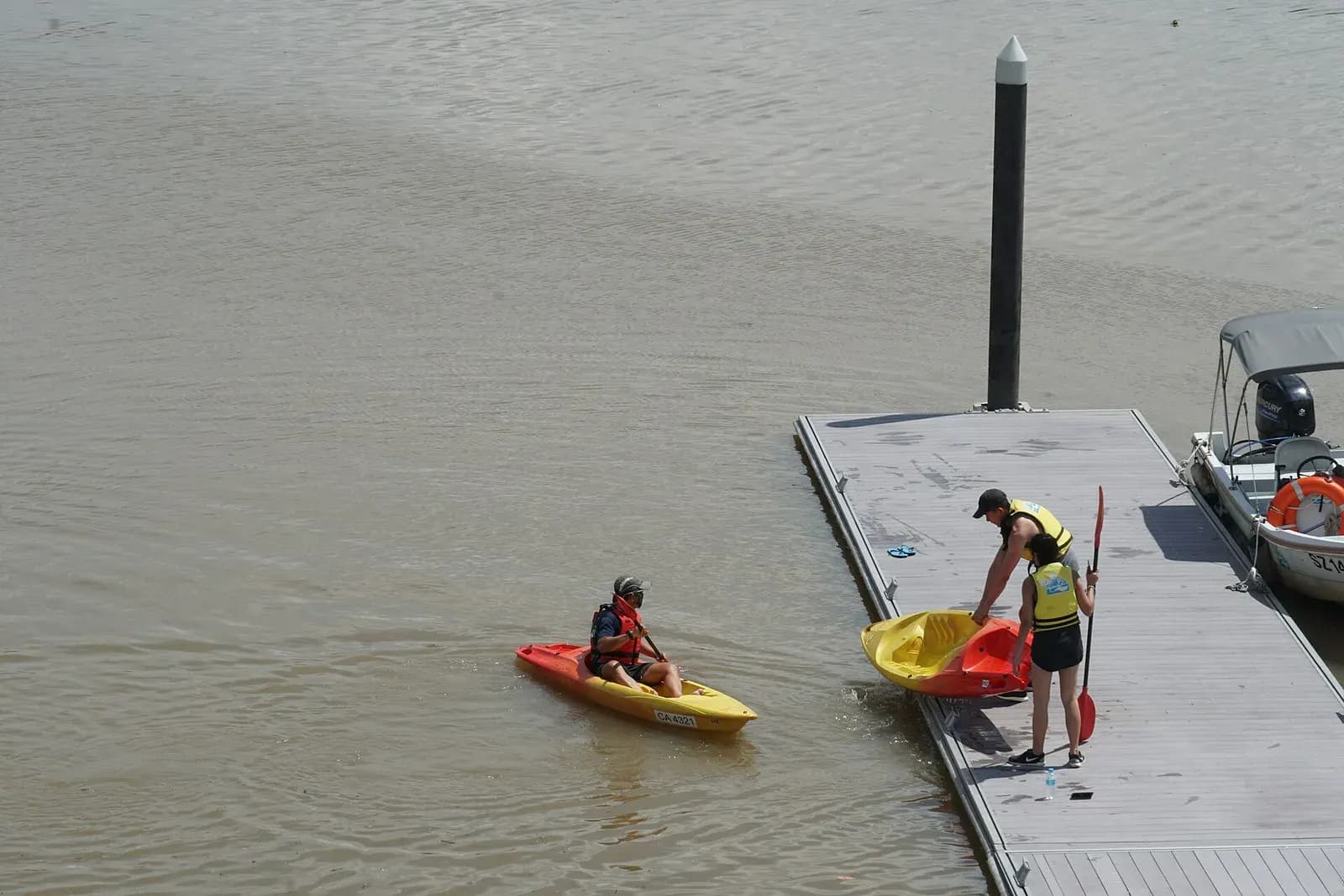
The first five minutes are wobbly. You push off the pontoon, the nose swings sideways, and your paddle splashes more water on you than into the lake. Then it clicks. Long, slow strokes, alternating sides, eyes on where you want to go, and suddenly you're moving straight. By the half-hour mark most people are chatting while they paddle.
Expect your shoulders and core to feel it the next day, not just your arms. And expect to get wet. Even a gentle session leaves your shorts damp from paddle drip, so dress for that lah.
Nervous about the first time? Go with a friend in a double, or join a guided session where someone else sets the pace, picks the route and tells you where to look.
Do you need the 1-Star award?
For a casual sit-on-top rental on fresh water, no. You need it once you want more: closed-deck kayaks, sea rentals at PA's coastal outlets, or the bigger paddling zones. At The Kallang, for example, sit-on-tops and canoes need no certificate, while closed-deck kayaks and outriggers do.
The Kayak 1 Star Award is the Singapore Canoe Federation's entry-level course. SCF lists it as 12 hours, in a single-seat closed-cockpit kayak on simple coastal water. To join, you must be at least 12 and able to swim 50m with a buoyancy aid. It's also the first step to the 2-Star. SCF says it no longer runs these courses directly, so you sign up through its affiliated clubs and centres.
Paddleboarding has its own track. Under SCF's 2026 code of practice, SUP falls under the Ocean 1 Star standard, and it's only approved on certain reservoirs. Even for sit-on-tops, the code's minimum is basic swimming ability, such as Swim Safer 2.0 Stage 1.
Lightning, tides and sun: the safety bits
Lightning is the big one. Singapore afternoons can turn fast. PUB's guidelines say stop and seek shelter when lightning is spotted or rain is approaching. At the Paddle Lodge in MacRitchie, paddlers must return to land during a CAT 1 lightning alert, and SCF suggests checking NEA's 2-hour Nowcast before you go. Morning slots are your friend.
On reservoirs, stay inside the marked zones and launch only from the proper pontoons. PUB warns that water levels can change quickly when gates discharge or water is transferred. It also says go in a group, don't paddle alone, and children must be with an adult.
At sea, add tides and currents. SCF's code says beginners should paddle under experienced supervision, solo paddling is discouraged, and someone on shore should know your route and return time. It also asks paddlers to check NEA's beach water quality advisories first.
And the sun. On the water there's no shade, and the glare bounces back at you. SCF's code calls for UV protection and staying hydrated in hot weather. Bring more water than you think you need.
What to wear and bring
PUB's attire rules are short and sensible:
- Life jacket on at all times, including on the pontoon. Rentals usually include one.
- Covered shoes. Open-toe footwear and heavy boots are not appropriate. Old sports shoes or water shoes work.
- Bright, light clothes. You're easier to spot, and heavy clothing is discouraged. Quick-dry beats cotton.
Add a cap, sunglasses with a strap, sunscreen, a water bottle and a change of clothes. Bring photo ID too. The Kallang checks it before you rent, and asks you to fill in an indemnity form online first.
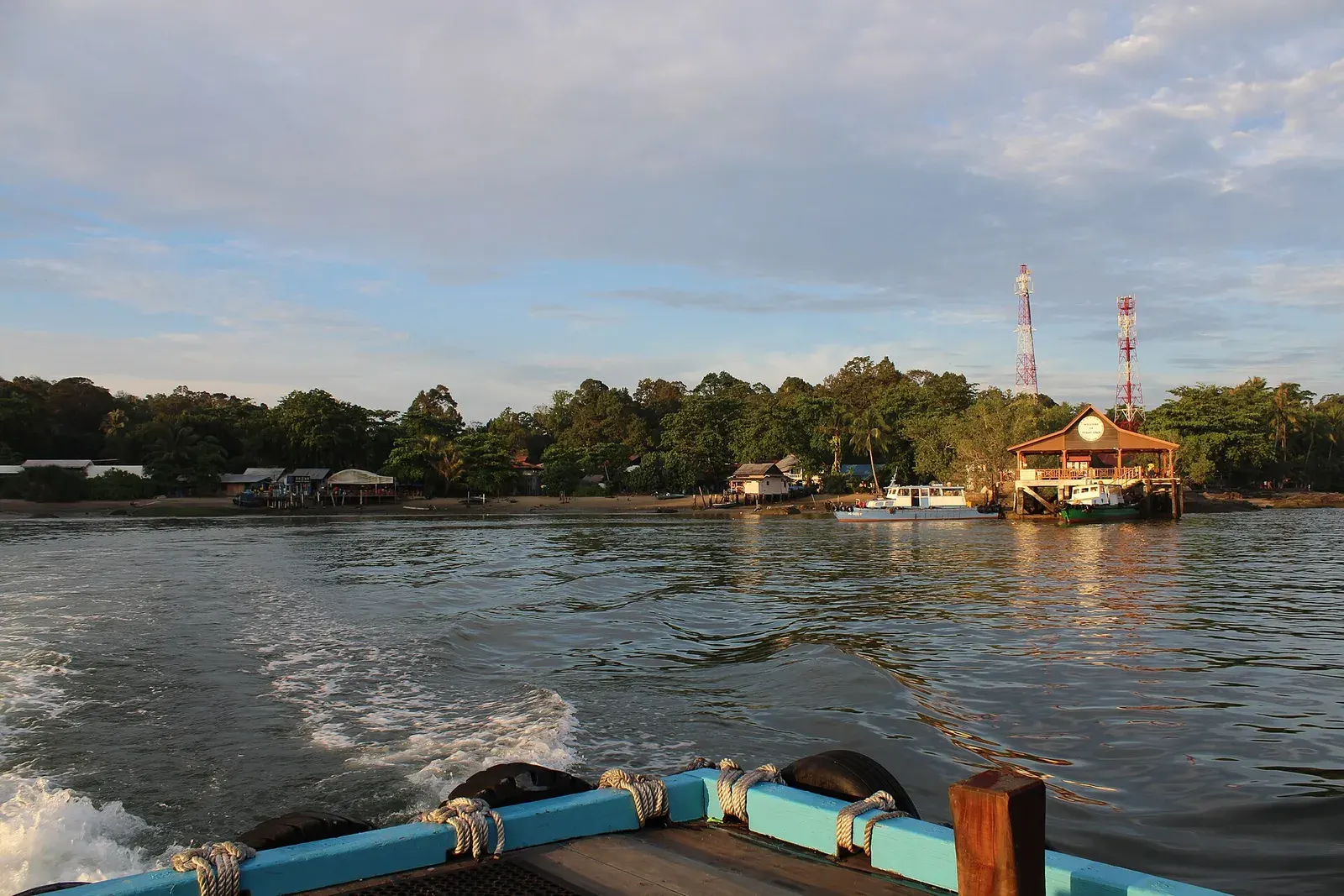
Photo: DonQue, CC BY-SA 3.0, via Wikimedia Commons
Mangroves and otters: the Pulau Ubin trip
Once you've done a reservoir or two, the mangroves around Pulau Ubin are the trip that makes people fall for paddling. Guided tours weave through the mangrove channels, roots on both sides, birds overhead. It's quiet, green and nothing like paddling past condos.
Getting there is half the fun. Bumboats leave from Changi Point Ferry Terminal, next to Changi Village. NParks says they usually run from 6am to 7pm and leave once 12 passengers are on board. The crossing takes about ten minutes.
You might meet otters, around Ubin or even on city waters. If you do, NParks' advice is simple: watch from a distance, keep your voice down, skip the flash, and never feed, chase or corner them, especially when pups are around.
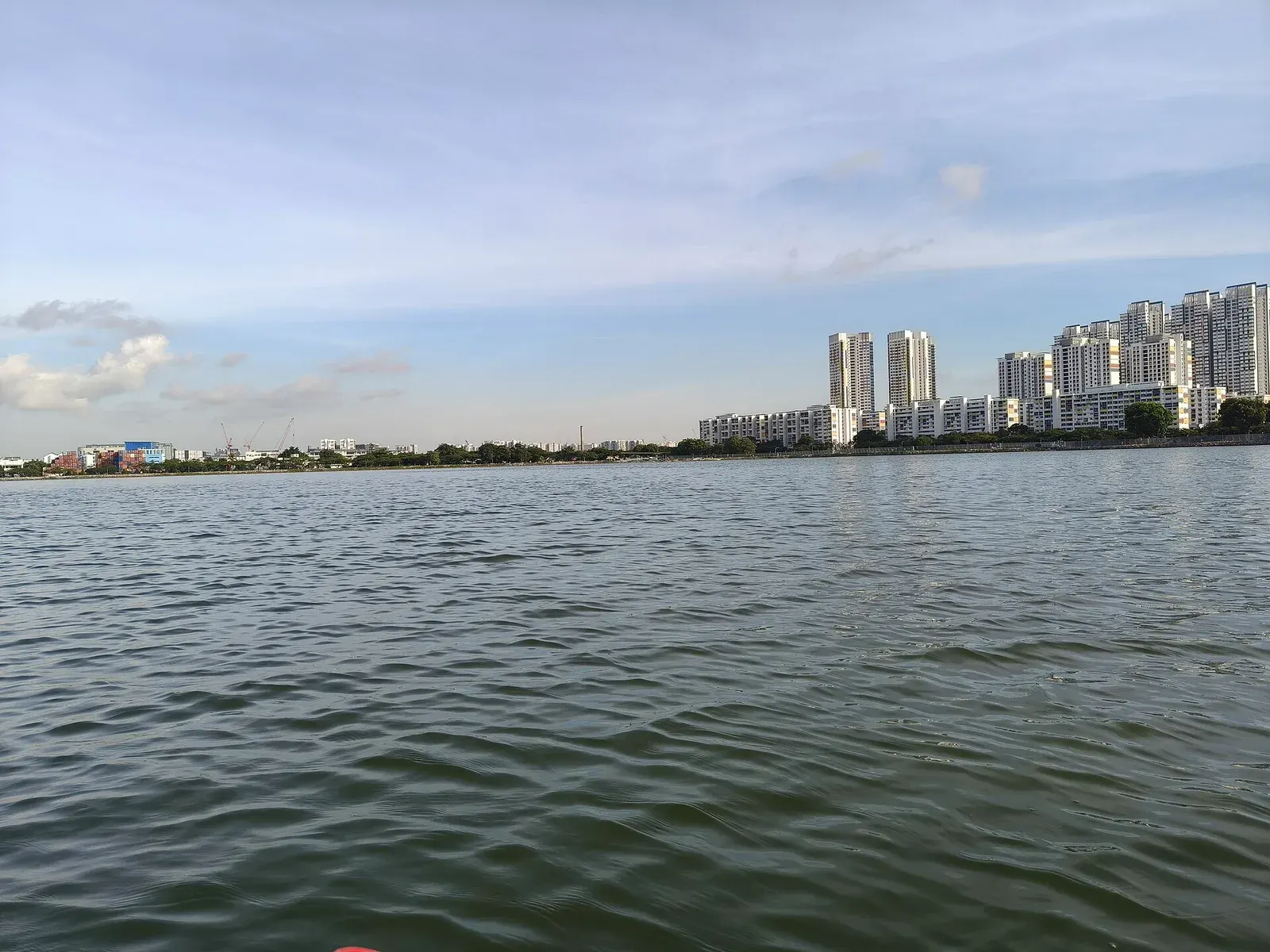
Photo: Red Eyes Black Dragon 92, CC BY-SA 4.0, via Wikimedia Commons
Where to paddle: the practical list
Kallang Basin (Water Sports Centre, The Kallang): walk-in rentals, no booking needed. Sit-on-tops and canoes need no certificate. Minimum age is 7, and kids aged 7 to 12 must be with an adult. Closed on Tuesdays; last rental at 5pm. Stadium MRT is about a 4-minute walk. Details.
MacRitchie Reservoir (The Paddle Lodge, run by SCF): sit-on-top kayaks only, in the novice zones. Rentals run 9am to 3pm. Walk in if boats are free, or book ahead. FAQ and booking.
Bedok Reservoir and Jurong Lake Gardens (PAssion WaVe): sit-on-top kayaks for beginners; closed-deck kayaks need a 1-Star. PA's rental hours are 9am to 6pm, Wednesday to Sunday, and outlets are closed on Mondays and public holidays. Outlets.
Pasir Ris (PAssion WaVe): sea paddling, kayaks and SUP. Every kayak rental here needs a 1-Star, so treat it as your second step. Rental rules.
Pulau Ubin mangroves: go with a guide rather than on your own, and check that a tour is actually running this season before you plan around it. We couldn’t confirm a regular mangrove kayak tour for late 2026.
Sentosa: Ola Beach Club's watersports centre on Siloso Beach lists single and double kayaks plus stand-up paddleboarding. Activities.
PUB keeps the official list of who runs what on each reservoir, including Lower Seletar, Pandan and Punggol, on its water activities page. Hours and rules shift, so check before you go.
Questions, answered 🤔
Do I need a certificate to kayak in Singapore?
Not for a rental sit-on-top kayak on a reservoir. PUB sets the 1-Star Kayaking Award as the minimum for paddling, but rental sit-on-tops from approved operators are exempt. People's Association's sea outlets at Pasir Ris and Sembawang need a 1-Star for all kayak rentals, and closed-deck kayaks need one at its reservoir outlets too.
Can I bring my own kayak or paddleboard to a reservoir?
No. PUB says personal vessels, including canoes, kayaks and stand-up paddleboards, are currently not allowed on its reservoirs. Rent from an approved operator instead.
How do I get the 1-Star kayaking award?
Take the Kayak 1 Star course through a Singapore Canoe Federation affiliate. SCF lists it as a 12-hour course in a closed-cockpit kayak. You must be at least 12 and able to swim 50m with a buoyancy aid.
What happens if there's lightning while I'm kayaking?
Get off the water. PUB says to stop and seek shelter when lightning is spotted or rain is approaching. At MacRitchie's Paddle Lodge, paddlers must return to land during a CAT 1 lightning alert.
What should I wear for kayaking in Singapore?
A life jacket at all times, covered shoes (no open-toe footwear), and bright, light, quick-dry clothes. Add sun protection and water, and expect to get wet.
Don’t say we bojio 📬
Reads like this + the week’s best events, every Thursday.
Not an email person? Follow @onzsg on Telegram — two good picks a day, straight to your phone. 📣